Turning a consulting identity into a website plan
Higher Ground Advisory is a consulting business whose website introduces its approach, services and founders. Kre8ivDesigns' April 2026 Brand and Web Design Package provides a documented starting point for explaining the design decisions behind the project. The current website credits Kre8ivDesigns Marketing, LLC in its footer.
This case study describes the prepared design package and observable website structure. April 2026 is the document date, not a verified launch or acceptance date. Search, lead and revenue improvements have not been established.
The design brief
The brief called for a professional consulting website with a distinct visual identity. Its design direction combined a restrained corporate layout with heritage-inspired accents. It specified generous space, a balance of serif and sans-serif typography, and a small set of coordinated colors instead of unrelated treatments on each page.
The practical design task was to connect the brand system with a clear website structure. A visitor needed a way to understand the business's values, learn how its approach works, compare services and find the people behind the practice.
Making the brand system usable
The prepared brand guide defined primary and supporting colors, typography roles, logo clear-space rules and appropriate light and dark treatments. It also described how decorative tartan accents should remain subordinate to the content. These instructions gave the website and related collateral a common reference rather than relying on individual design choices each time an asset was produced.
The local project folder contains corresponding logo and diagram assets. Their presence supports the account of prepared design materials; it does not establish approval of every proposed variation or permission to reproduce private source files publicly.
Organizing the website around distinct questions
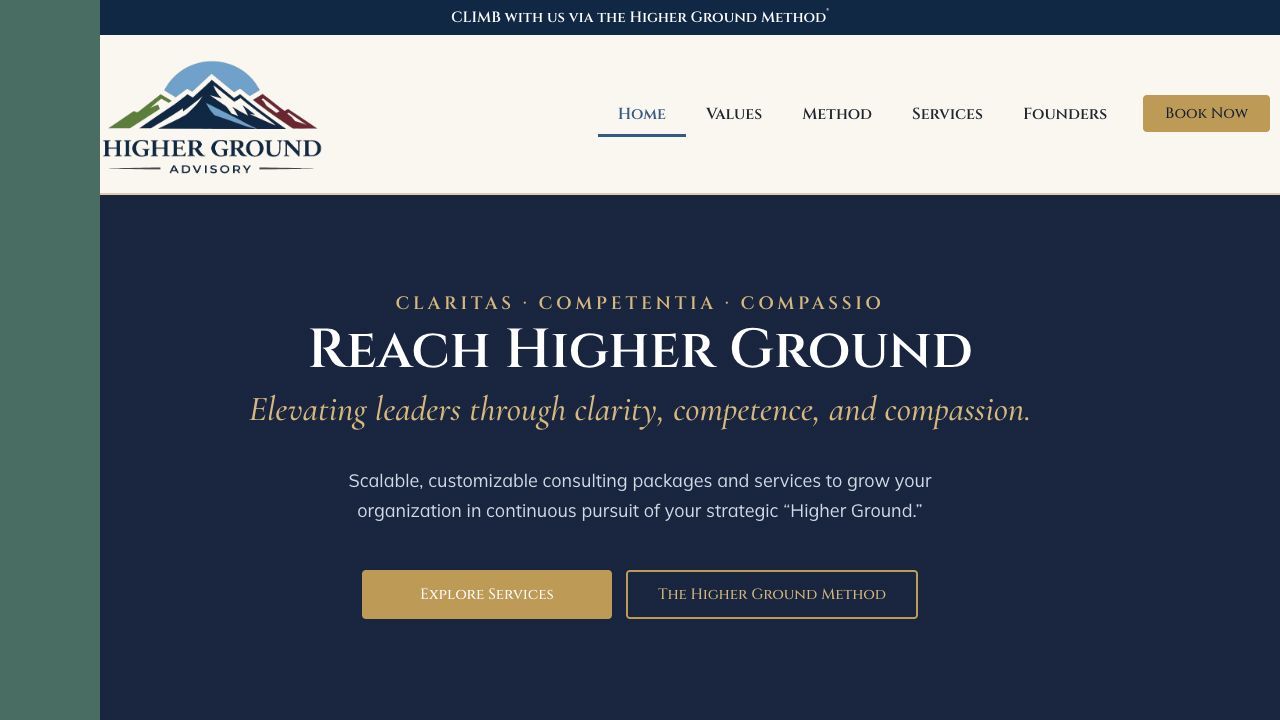
The documented sitemap proposed a short main navigation with dedicated places for values, method, services and founders. The live website currently follows those five core destinations, including its home page. That correspondence supports a concrete discussion of information architecture without implying that every feature in the original brief was delivered.
Separate pages give different content a defined role. Business identity and values can be explained independently from service selection, while founder information gives visitors a place to understand who they would work with. This is a design rationale, not a measured claim about how visitors behaved.
Separating the plan from the delivered outcome
The original package included proposed modules, responsive requirements and implementation recommendations. A recommendation in a brief is not a completed feature. The case-study review therefore does not claim that every planned event, gallery, document or testimonial module was implemented or tested.
The confirmed evidence is the dated Kre8ivDesigns package, supporting design assets, an existing approved portfolio entry, current public site structure and public site credit. The original brief alone does not establish the full delivery scope, a launch date or acceptance of every proposed feature. This account keeps those unverified milestones separate from the documented design package and current public website.
Results we can substantiate
The project provides a useful example of connecting a brand guide to a structured consulting website. It does not yet provide an evidence-backed SEO-growth or conversion case study. No analytics export, comparative lead report or approved client results quotation has been attached.
This case study uses no customer testimonial or unverified performance figure. Future outcome reporting can be added only when it has a named source, a defined time period and permission to disclose it.